
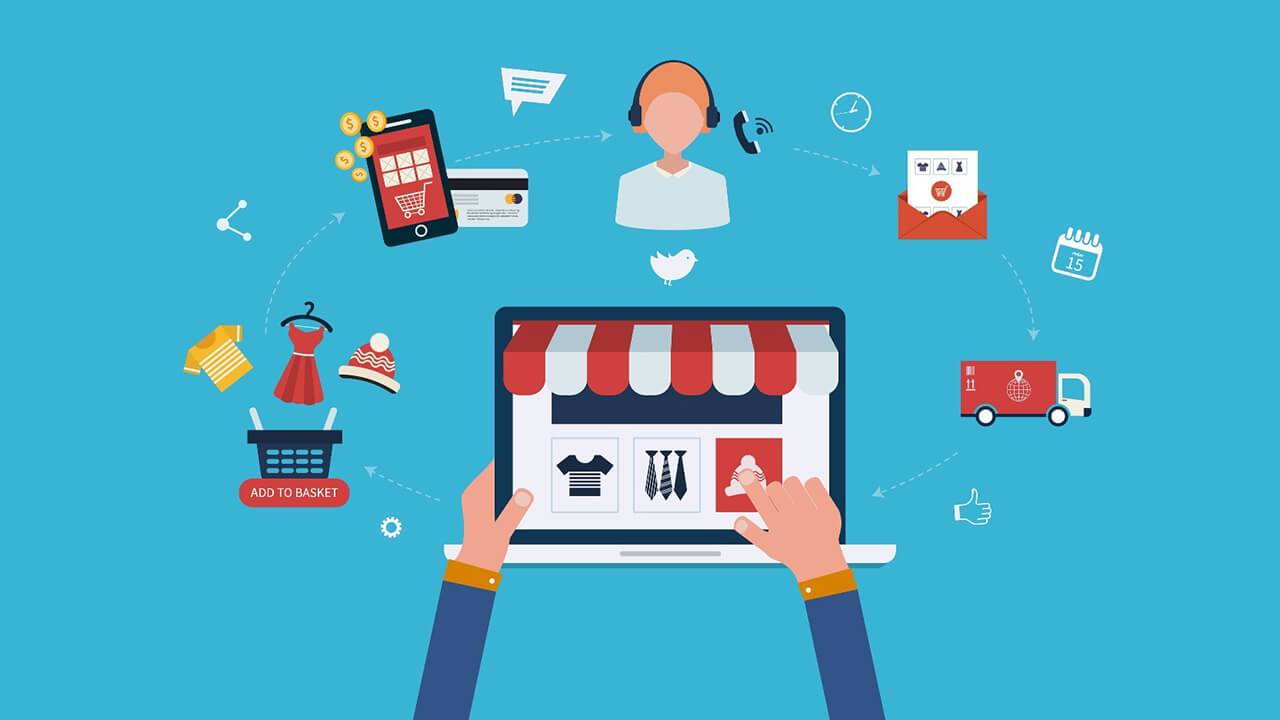
Ecommerce trends are the shifts in how shoppers discover, evaluate and buy products online. The ones that matter most right now are AI-driven search and shopping assistants, personalization, social and video commerce, flexible payments, faster mobile experiences, retention-first marketing and first-party data. Stores that act on these trends turn more of their traffic into repeat revenue.
Trends come and go, but the brands that grow online share one habit: they treat each shift as a question about the customer, not a feature to copy. This guide explains the ecommerce trends with staying power, why each one matters and the practical steps to put it to work in your store.
Key Takeaways
- Shoppers increasingly start product research in AI assistants and Google AI Overviews, so product content must be clear, structured and easy to cite.
- Personalization works when it is built on first-party data customers willingly share.
- Social, video and creator-led commerce shorten the path from discovery to purchase.
- Speed, mobile usability and checkout flexibility still decide whether visitors convert.
- Retention, not just acquisition, is where profitable ecommerce growth comes from.
1. AI Search and Shopping Assistants Are the New Front Door
Product discovery no longer starts only with a keyword and a list of links. Shoppers ask AI assistants such as ChatGPT, Gemini and Perplexity, and read Google AI Overviews, to compare products, check compatibility and narrow down options before they ever visit a store.
To be recommended in those answers, your store needs content an AI system can understand and trust:
- Complete product data: specifications, materials, sizing, compatibility and pricing in consistent, structured form.
- Product and Review schema: markup that tells search engines exactly what you sell and how customers rate it. See our guide to structured data for AI search.
- Answer-first content: buying guides and FAQs that answer the questions shoppers actually ask.
This is the core of answer engine optimization (AEO), and it now sits alongside classic ecommerce SEO.
2. Personalization Built on First-Party Data
Generic storefronts are losing to experiences that adapt to each visitor: recommended products based on browsing history, tailored email flows, and landing pages that match the ad or search that brought someone in.
As third-party tracking becomes less reliable, the most durable personalization runs on first-party data, the information customers share directly through accounts, purchases, quizzes and email preferences. Give shoppers a clear reason to share it, such as faster checkout, early access or better recommendations, and use it responsibly.
3. Social and Video Commerce
Platforms such as Instagram, TikTok, YouTube and Pinterest are no longer just awareness channels. Shoppable posts, live shopping and creator partnerships let customers discover and buy in the same moment.
What works:
- Short product videos that show the item in use, not just studio photos.
- Creator and customer content that answers real objections.
- Catalog syncing so products, prices and stock stay accurate across platforms.
Pair organic content with social media marketing and paid social to scale what performs.
4. Mobile-First, Fast Experiences
Most ecommerce browsing happens on phones, and slow or awkward mobile pages lose sales. Google also uses page experience signals, including Core Web Vitals, when evaluating pages.
Prioritize image compression, lean themes and apps, thumb-friendly navigation and a short, distraction-free checkout. A professionally built store, like our ecommerce web design projects, bakes this in from the start.
5. Flexible Payments and Frictionless Checkout
Shoppers expect to pay the way they prefer: digital wallets, buy now, pay later options, saved cards and one-click checkout. Every extra field or forced account creation adds abandonment risk.
Audit your checkout regularly. Offer guest checkout, show total costs (including shipping and taxes) early, and display trust signals such as reviews, guarantees and clear return policies near the buy button.
6. Retention and Subscription Models
Acquiring a new customer usually costs far more than keeping one, which is why growing brands invest in retention: post-purchase email and SMS flows, loyalty programs, replenishment reminders and subscriptions for products people buy again.
Track repeat purchase rate and customer lifetime value alongside conversion rate. A store that improves retention can afford to bid more for new customers than competitors can.
7. Shopping Ads and Automated Campaigns
Google Shopping, Performance Max and paid social catalog ads put products in front of buyers at the moment of intent. Automation handles bidding and placement, but results still depend on the inputs you control: product feed quality, conversion tracking, creative and margins.
Learn how the paid side is changing in our guide to PPC trends, or explore PPC management services.
8. Reviews and Social Proof Everywhere
Reviews influence both shoppers and search engines. Collect them consistently, respond to negative feedback publicly, and surface ratings on product pages, ads and search results through Review schema. Our online review management program helps automate this.
9. Sustainability and Transparency
More shoppers want to know how products are made, shipped and packaged. Clear information about materials, sourcing, shipping and returns builds trust and reduces pre-purchase questions. Keep these claims specific and accurate; vague green claims can backfire.
How to Act on Ecommerce Trends Without Chasing Every Shiny Object
Not every trend fits every store. Use a simple filter before investing:
- Does it solve a customer problem? Start with real objections and drop-off points in your analytics.
- Can you measure it? Define the metric it should move, such as conversion rate, average order value or repeat purchase rate.
- Does it fit your margins? Model the cost before rolling it out across the catalog.
- Test, then scale. Pilot on a product line or segment, keep what works and cut what does not.
For a full growth plan, see our ecommerce marketing playbook and our comprehensive guide to ecommerce digital marketing.
Frequently Asked Questions
What are the biggest ecommerce trends right now?
The most important ecommerce trends are AI-driven product discovery, personalization built on first-party data, social and video commerce, mobile-first speed, flexible payments, retention marketing and automated shopping ads. Together they reward stores with clear product data, fast experiences and strong customer relationships.
How does AI search affect ecommerce stores?
Shoppers now ask AI assistants and read Google AI Overviews to compare products before visiting a site. Stores with complete product data, Product and Review schema, and clear answer-first content are more likely to be cited and recommended in those answers.
Which ecommerce trend should a small store focus on first?
Start with the basics that affect every visitor: fast mobile pages, a simple checkout and complete product information. Then add email and SMS retention flows, which usually deliver strong returns for small stores without large ad budgets.
How do I know if an ecommerce trend is worth investing in?
Tie it to a measurable outcome such as conversion rate, average order value or repeat purchases, estimate the cost against your margins, and test it on a small segment before rolling it out store-wide.
Can an agency help my store keep up with ecommerce trends?
Yes. A digital marketing partner can audit your store, prioritize the trends that fit your customers and margins, and run the SEO, AEO, paid media and design work together. Explore our digital marketing services or book a discovery session.


